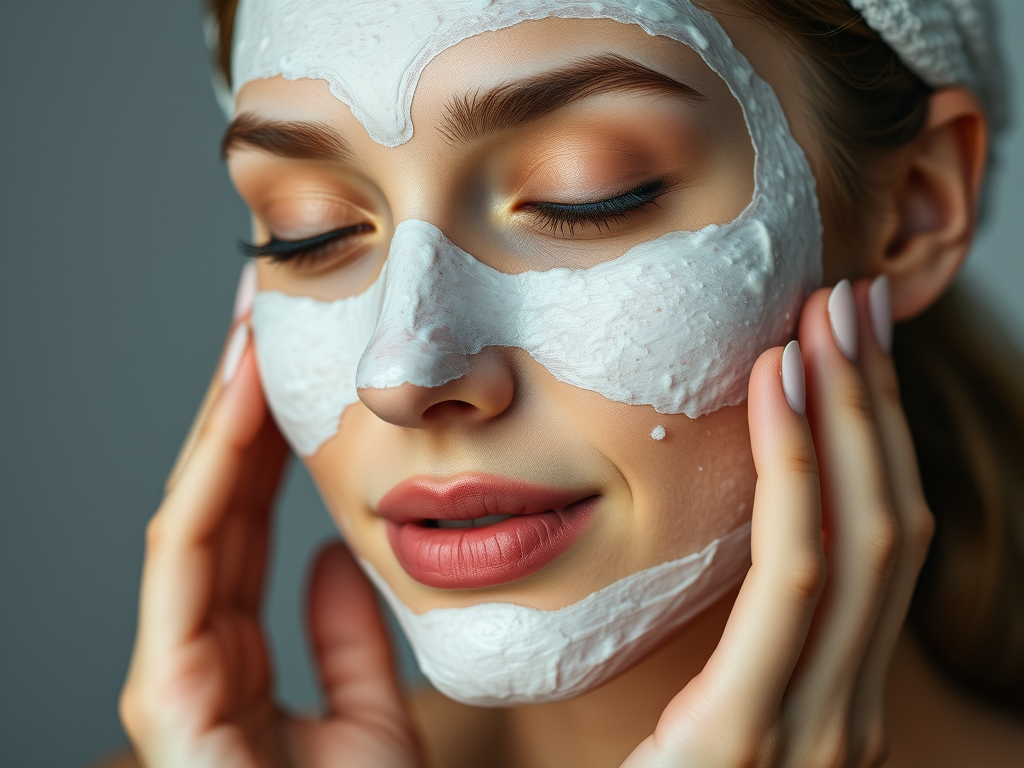

Chemical peels are a popular medical-grade skin resurfacing treatment that involves applying a chemical solution to the skin to remove damaged outer layers, revealing smoother, brighter, and more youthful skin underneath. This controlled exfoliation stimulates cell turnover, collagen production, and skin regeneration. As of 2025, chemical peels remain one of the most sought-after non-invasive aesthetic procedures, with advancements focusing on personalized formulations, safer protocols, and combination therapies for enhanced efficacy and minimal downtime.
They are performed by dermatologists or trained professionals in clinics and are customizable for various skin concerns, including acne, hyperpigmentation, fine lines, scars, and sun damage.
Types of Chemical Peels
Chemical peels are classified by depth of penetration:
-
Superficial (Light) Peels: Target the epidermis only. Common agents: Glycolic acid (AHA), salicylic acid (BHA), lactic acid, or low-strength TCA (10-30%). Ideal for mild concerns like dullness or light pigmentation.
-
Medium Peels: Reach the upper dermis. Agents: Higher TCA (35-50%), Jessner’s solution, or glycolic acid combinations. Effective for moderate wrinkles, acne scars, and uneven tone.
-
Deep Peels: Penetrate the mid-dermis. Agents: Phenol or high-concentration TCA. Reserved for severe damage like deep wrinkles or precancerous growths; requires sedation.
In 2025, trends include customizable blends and gentler options for sensitive or darker skin tones to reduce risks.
The Procedure: What to Expect
-
Consultation & Prep: Skin analysis; stop retinoids/sun exposure weeks prior.
-
Cleansing: Face is thoroughly cleaned.
-
Application: Solution brushed on; may cause tingling/stinging (cooling fans or numbing used).
-
Neutralization: For some peels; others self-neutralize.
-
Post-Treatment: Soothing mask/moisturizer/SPF applied.
Sessions last 20–60 minutes. Light peels: no anesthesia; deep: sedation/monitoring.
Benefits
- Improves texture, tone, and radiance
- Reduces fine lines, wrinkles, acne/scars, hyperpigmentation
- Boosts collagen for firmer skin
- Treats sun damage and some precancerous lesions
- Customizable with minimal to dramatic results
Results are often visible immediately (glow) and improve over weeks/months with series.
Risks and Downtime
- Common Side Effects: Redness, peeling, dryness (light: 1-3 days; medium: 5-7 days; deep: weeks-months).
- Risks: Hyper/hypopigmentation (higher in darker skin), scarring, infection, herpes reactivation.
- Safer in 2025 with improved formulations, but always choose experienced providers.
Aftercare: Gentle cleansing, heavy moisturizing, strict SPF; avoid sun/picking skin.
Who It’s For & Latest in 2025
Suitable for most, but caution with sensitive skin, pregnancy, or active conditions. Ideal candidates seek non-surgical rejuvenation.
Advancements include AI-personalized peels, eco-friendly agents, and combos with microneedling/LED for better outcomes.
Chemical peels offer proven, transformative results when tailored properly—consult a board-certified dermatologist for the best approach!
TCA vs. Glycolic Acid Chemical Peels: A Detailed Comparison
Trichloroacetic acid (TCA) and glycolic acid are two of the most commonly used agents in chemical peels, but they differ significantly in strength, depth of penetration, applications, and recovery. Glycolic acid is an alpha-hydroxy acid (AHA) derived from sugar cane, while TCA is a stronger, non-organic acid. Both exfoliate by dissolving bonds between dead skin cells, but TCA offers deeper resurfacing.
Key Differences at a Glance
| Aspect | Glycolic Acid Peel | TCA Peel |
|---|---|---|
| Type of Acid | AHA (water-soluble, smallest molecule) | Non-AHA (protein coagulant) |
| Typical Concentrations | 20–70% (higher = deeper, but timed application) | 10–35% (medium); higher for deep (rare) |
| Depth of Penetration | Superficial (epidermis only) | Superficial to medium (up to dermis); deep possible |
| Best For | Dullness, mild acne, fine lines, hyperpigmentation, uneven texture | Acne scars, deeper wrinkles, sun damage, melasma, actinic keratosis |
| Sensation During | Mild tingling/stinging | Burning (numbing often used for higher %) |
| Downtime | Minimal (redness/flaking 1–3 days) | Moderate (peeling/redness 5–10 days) |
| Number of Sessions | Series of 4–6 for optimal results | 1–3, depending on strength |
| Risks | Low (irritation rare) | Higher (pigmentation changes, scarring if improper) |
| Suitability | All skin types, including sensitive/darker tones | Lighter skin tones preferred for medium+; caution with darker skin |
| Cost (per session) | $100–$300 | $200–$800+ |
How They Work and Procedure
-
Glycolic Acid: Its small molecule size allows quick penetration. Applied for a short time (1–10 minutes) then neutralized. It gently dissolves surface cells, promoting turnover without coagulation.
-
TCA: Causes protein denaturation (frosting appearance on skin), leading to controlled injury and peeling. No neutralization needed; depth controlled by concentration/layers.
Results and Before/After Examples
Glycolic peels provide a subtle, progressive glow and smoother texture—ideal for maintenance.
TCA delivers more dramatic rejuvenation, significantly reducing scars and wrinkles but with visible peeling.
Which to Choose?
- Glycolic if you’re new to peels, have sensitive skin, want no downtime, or seek regular brightening.
- TCA for stubborn concerns requiring deeper correction (e.g., scarring).
Both are safe when performed by professionals. Always patch test and use strict sun protection post-treatment. Consult a dermatologist for personalized advice based on your skin type and goals!
Aftercare Tips for Chemical Peels
Proper aftercare is essential for maximizing results, minimizing complications like scarring or pigmentation changes, and ensuring smooth healing after a chemical peel. Guidelines can vary by peel depth (superficial, medium, or deep), skin type, and individual response, so always prioritize your dermatologist’s personalized instructions. These tips are based on recommendations from the American Academy of Dermatology (AAD) and dermatologists as of 2025.
Immediate Post-Treatment (First 24–48 Hours)
- Gentle Cleansing: Use a mild, fragrance-free, non-abrasive cleanser (e.g., cream-based). Avoid hot water—opt for lukewarm. Cleanse gently 1–2 times daily.
- Heavy Moisturizing: Apply a thick, soothing ointment or fragrance-free moisturizer frequently to prevent dryness and cracking. Recommended options include petrolatum-based products or those with hyaluronic acid/ceramides.
- Sun Protection: Strictly avoid direct sun. Use broad-spectrum SPF 30+ (physical blockers like zinc/titanium preferred) if going outside. Wear hats and stay indoors as much as possible—new skin is highly UV-sensitive.
- No Touching: Do not pick, scratch, rub, or peel off flaking skin. Let it shed naturally to avoid scarring or infection.
During Peeling Phase (Days 3–10, Varies by Peel)
- Expect redness, tightness, flaking, or darkening—normal for most peels. Peeling often starts around the mouth/nose and lasts 3–7 days (longer for medium peels).
- Continue gentle cleansing and liberal moisturizing.
- Avoid heat: No saunas, hot showers, steam rooms, or intense exercise (sweat can irritate and cause blistering).
- No makeup until peeling stops or as advised (often after 24 hours for light peels).
Long-Term Aftercare (1–2 Weeks+)
- Avoid Actives: Pause retinoids (Retin-A, tretinoin), AHAs/BHAs (glycolic/salicylic), benzoyl peroxide, vitamin C, hydroquinone, and exfoliants for at least 1–2 weeks (or until skin fully heals).
- Resume normal routine gradually (around day 10 or when peeling subsides).
- Daily SPF is non-negotiable—reapply every 2 hours outdoors.
- Stay hydrated internally (drink water) and watch for signs of infection (severe swelling, pus)—contact your provider immediately.
What to Expect: Before & After Healing
Results show smoother, brighter skin once healed, with reduced lines, pigmentation, or acne scars.
Lack of visible peeling doesn’t mean the peel failed—benefits like collagen stimulation still occur. For sensitive or darker skin tones, extra caution with sun protection prevents pigmentation issues. Follow-up with your board-certified dermatologist for the best outcomes!